Imagining The Following Action: My Trip With SMILE Eye Surgery
Content Author-Damm Bramsen
In a universe in which transparency is frequently overlooked, this path to ideal vision might feel as if a steep battle to many. Being Link Website that has gone through the difficulties of nearsightedness, I discovered my thoughts considering multiple alternatives to better my vision. Following extensive investigation and numerous conversations among eye care professionals, I stumbled upon the SMILE eye surgery, which this transformed my perspective regarding vision improvement fully.
SMILE, which stands for Small Incision Lenticule Extraction, is a cutting-edge laser eye procedure which has gained popularity because of the non-invasive nature and outstanding results. Unlike older procedures such as LASIK, this technique provides an unique methodology to treating myopia, making this an attractive choice for those looking to liberate themselves from spectacles and contact lenses. In the article, I shall share the individual journeys, delve into the aspects concerning the way this surgery eye surgery works, present its advantages and possible risks, and compare it to other vision improvement methods. Come with along as I reflect on the life-changing experience to clear sight and a more hopeful future.
Overview of SMILE Eye Surgery
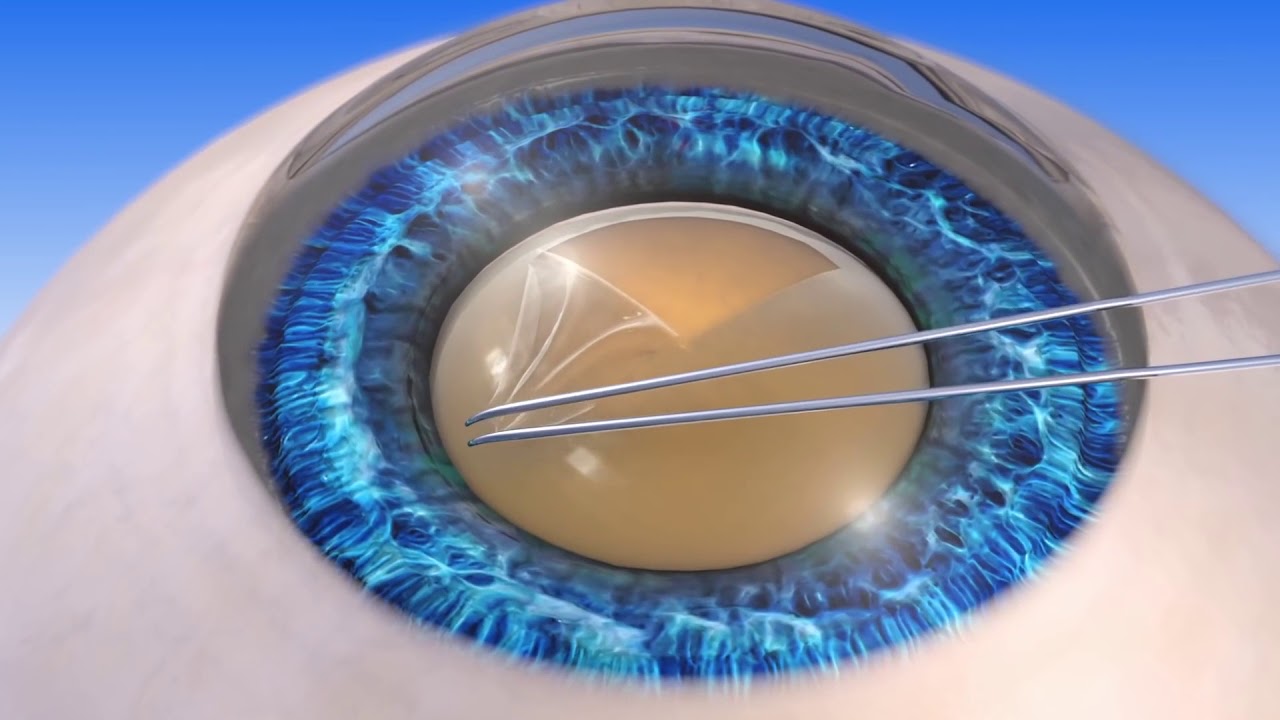
SMILE Eye Surgery, or SMILE, is an innovative laser procedure designed to correct myopia. This minimally invasive technique alters the cornea by removing a small, lens-shaped tissue called a lenticule. SMILE offers a new approach to refractive surgery, providing an alternative to traditional methods such as Laser-Assisted In Situ Keratomileusis and PRK. Its distinct methodology allows for a reduced incision, which may lead to minimal disruption of the corneal layers and faster recovery times.
What sets SMILE aside is its single-step process, which is performed using a femtosecond laser. During the surgery, the laser creates both the lenticule and the incision in the cornea with accuracy. This accuracy helps to minimize complications and promotes more stable visual outcomes. Patients often report a high level of satisfaction due to the reduced dryness and discomfort associated with traditional procedures. The SMILE procedure is particularly beneficial for those with significant levels of nearsightedness, making it a valuable option for many individuals.
Recovery after SMILE Eye Surgery tends to be rapid compared to traditional refractive surgeries. Most patients experience improved vision within a couple of days, with many returning to their daily activities quite quickly. While the specific recovery experience can vary among individuals, many report few side effects and discomfort. As with any surgical procedure, it is important to discuss possible risks and advantages with a certified eye care professional. Overall, SMILE Eye Surgery represents a major advancement in the field of vision correction.
Benefits and Healing
One of the most significant advantages of SMILE eye procedure is the minimal intrusiveness of the procedure. Unlike traditional LASIK, SMILE does not require the creation of a large corneal flap. Instead, a small incision is made, which helps preserve corneal integrity and reduces the chance of complications. Many patients report a rapid recovery time, often seeing enhanced vision within a day, allowing them to return to their regular activities swiftly.
Recovery from SMILE eye surgery is generally simple. Patients may experience temporary discomfort, such as dryness or mild sensitivity to light, but these symptoms typically diminish within a few days. Most individuals can resume normal activities, including work and driving, within a brief period. Following the after surgery care instructions provided by the surgeon is essential for a smooth recovery and optimal results.
Another benefit of SMILE is its efficacy for treating nearsightedness, specifically myopia. Studies show that the SMILE procedure offers similar results to other options like PRK and LASIK, making it a popular choice for many. https://drive.google.com/file/d/1Zq7-2YOlWmWmWVQh6NEWg3VCed87-XSx/view?usp=sharing can enjoy meaningful improvements in vision without the need for glasses or contacts, improving their quality of life and freeing them from the constraints of vision eyewear.
Price Evaluation
When evaluating SMILE laser eye surgery, a of the most significant elements for numerous patients is the cost. Typically, the SMILE surgery expense can differ based on several factors, like the surgeon's skill, the technology used, and the site of the clinic. On average, patients can anticipate to pay anywhere from 2,000 to 3,500 currency per eye. It is crucial to ensure if the pricing includes pre-operative assessments and post-operative check-ups, as these can contribute to the overall cost.
Financial plans may be available, and many clinics offer payment plans to make the procedure more accessible. Some insurance plans could help with a portion of the costs, especially if the surgery is deemed necessary for treatment. Understanding your insurance benefits and talking about them with your provider could alleviate some of the financial burdens associated with the surgery.
Investing in SMILE eye surgery can translate to long-term savings on spectacles and contact lenses. A lot of patients realize that the convenience and improved quality of life after the procedure justify the initial expense. Evaluating the possible financial investment against the benefits of clearer vision without contacts is important for anyone thinking about this surgery.
Comparative Insights
When considering multiple choices for vision improvement, it is crucial to be aware of how SMILE compares to conventional methods such as PRK. While both approaches aim to correct vision issues such as myopia, SMILE utilizes a more gentle technique that preserves more corneal tissue. This preservation can result in a quicker recovery and less pain after the procedure versus PRK, which necessitates more extensive changes to the corneal surface.
Cost is often a significant aspect in making choices. The SMILE financial aspect of SMILE typically is generally in the similar price range as LASIK but can be more than PRK. It is necessary for potential candidates to consider the pros of quicker recovery and the chance of reduced side effects against their financial constraints. Discussion with an ophthalmologist can provide tailored information on the financial aspects and what is most suitable for personal circumstances.
Another key aspect to think about is the side effects associated with each procedure. Even though SMILE is typically related to fewer dry eye symptoms and less post-operative pain, PRK can involve a more prolonged period of discomfort due to the technique it employs for reshaping the cornea. Each individual's experience may vary, making it vital to share health background and personal circumstances during the comparison of SMILE and PRK. Engaging in comprehensive research will assist in making an enlightened choice for the optimal route to achieve better sight.